Boxer Cartoon Character: A 3D Printing Model for Sports Fans
In the expanding world of downloadable 3D models, specific designs capture attention by blending popular themes with practical execution. The cartoon Boxer character represents a notable example within this niche. This model is not merely a digital sculpture; it is a functional asset intended for physical creation through desktop 3D printing. Its value lies in translating the universally recognizable imagery of boxing into a tangible, decorative object that is approachable for makers at various skill levels.
Evaluating the Design's Key Characteristics
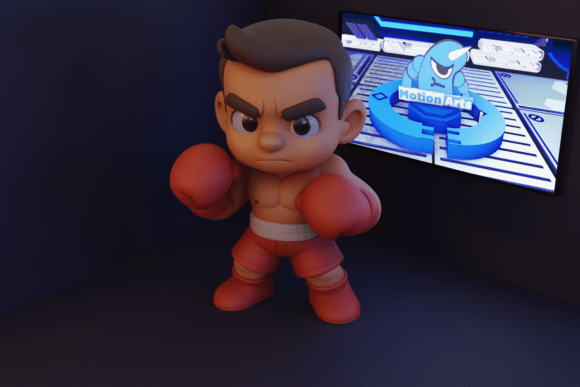
The core appeal of the cartoon Boxer model stems from its deliberate artistic and technical choices. The design employs exaggerated, rounded shapes to create a character with large gloves and a dynamic, energetic stance. This approach results in a friendly, non-threatening look that leans into humor and personality, distancing it from realistic or aggressive depictions of the sport. From a technical perspective, these rounded forms and the model's overall posture are engineered for stable printing. A well-balanced stance and thoughtful weight distribution help prevent failures during the FDM printing process, a common concern for beginners.
Furthermore, the model's structure acknowledges post-processing. The surfaces are designed to be easily accessible for painting, with clear separation between elements like the gloves, body, and facial features. This consideration adds practical value, as the finished print is explicitly intended to be a painted display piece, not just a raw plastic output. The requirement for supports is clearly noted, indicating that parts of the outstretched arms or specific overhangs will need this additional structure during printing, which is a standard expectation for many dynamic figurines.
Practical Value for Creators and Hobbyists
The stated beginner level is a significant strength of this cartoon Boxer. It lowers the barrier to entry for individuals new to 3D printing who wish to produce a complete, character-based model. A beginner-level project typically implies a manageable print time, reduced risk of complex failures like intricate small parts, and a straightforward assembly or painting process. For a hobbyist, a successful print of a recognizable character provides a tangible sense of accomplishment and a ready-to-showcase item.
Its usability extends beyond personal enjoyment. Educators in maker spaces or introductory technology courses could utilize this model as a compelling project file. It combines artistic theme with technical practice in support generation and post-processing. For small business owners catering to a niche market—such as those selling painted figurines or sports-themed decor—this model offers a ready-to-produce asset. They can print, finish, and sell the item without investing in original design work, provided they adhere to the model's licensing terms.
Strengths in Presentation and Flexibility
The model's effectiveness is tied to its clear presentation. A cartoon boxer with a fun expression is inherently a decorative object. Its long-term value is as a display piece, a gift for sports enthusiasts, or a personalized trophy alternative. The flexibility lies in the painter's creativity. A user can follow a classic boxing color scheme or completely customize the palette to match team colors or personal preferences, making each print unique.
From a consistency standpoint, a well-designed model like this cartoon Boxer should yield reliable results across different printers if the basic guidelines are followed. The predictable requirement for supports aids in this reliability; users know from the start that this step is necessary and can plan their print settings accordingly. This transparency prevents one of the common frustrations in 3D printing: unexpected failures due to unaccounted-for overhangs.
Who Benefits Most from This Model?
The primary audience for this cartoon Boxer includes serious hobbyists at the beginner to intermediate level who have an interest in sports or pop culture memorabilia. It fits the needs of someone looking for a weekend project with a satisfying physical outcome. Professionals, such as freelance digital artists or content creators, might use the printed figure as a photogenic prop for videos, social media content, or a themed desktop accessory that reflects their personal interests.
Marketers and publishers running sports-related blogs or communities could leverage the printed model as a giveaway item or a visual centerpiece for content about 3D printing in hobbies. The project aligns with a workflow centered on creating tangible goods from digital files, bypassing traditional manufacturing. For entrepreneurs in the custom decor space, it represents a low-cost product line addition if their business model involves on-demand printing and finishing.
Realistic Considerations and Limitations
A balanced evaluation requires acknowledging possible limitations. The cartoon Boxer is, by definition, a stylized piece. It will not appeal to those seeking hyper-realistic athletic models or precise anatomical studies. Its value is in its character and charm. Secondly, while labeled for beginners, any 3D print requiring supports introduces an additional step that novice users must learn to manage correctly—support placement and removal. This is a manageable skill but adds complexity compared to a completely support-free model.
The model's effectiveness is also contingent on the user's willingness to engage in post-processing. A raw, unpainted print will retain the playful form but lack the finished visual impact the design intends. Therefore, the project's ultimate success depends on integrating both printing and basic painting skills. For individuals solely interested in the automated printing aspect without any finishing work, the model's potential may not be fully realized.
In summary, the cartoon Boxer 3D model serves as a well-executed convergence of theme and maker-friendly design. It is worth discussing because it successfully targets a broad, cross-cultural interest—sports and humor—through the accessible medium of desktop 3D printing. Its rounded shapes and stable structure provide a reliable printing experience, while its friendly aesthetics offer a rewarding object for display or gift-giving. It fits the needs of beginners seeking a confidence-building project, hobbyists adding to their collections, and creatives looking for a thematic physical asset. By understanding its purpose as a painted, decorative figurine, users can accurately assess whether this dynamic and fun piece aligns with their next project goals.