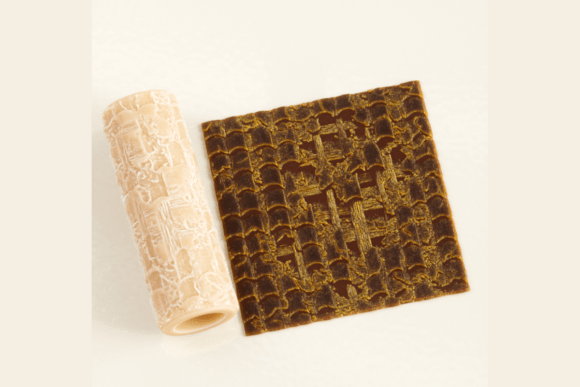
Damaged Roof Tiles with Exposed Rafters STL: Bringing Realistic Decay to Your Miniature Scenery
You're laying out a battlefield for your next wargaming session, building a post-apocalyptic diorama, or crafting a weathered industrial scene for your model railway. The buildings are set, but they feel flat, too pristine. You need that critical detail of collapse and decay to tell a visual story. This is where the Damaged Roof Tiles with Exposed Rafters STL texture roller comes into play. It's not a physical product, but a digital 3D printable file designed for one very specific, powerful purpose: creating authentic, structural damage.
The Practical Power of a Printable Pattern
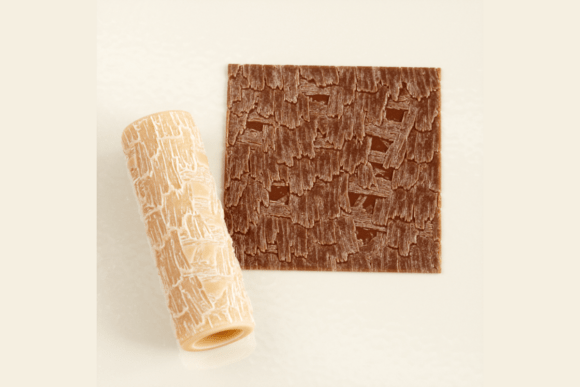
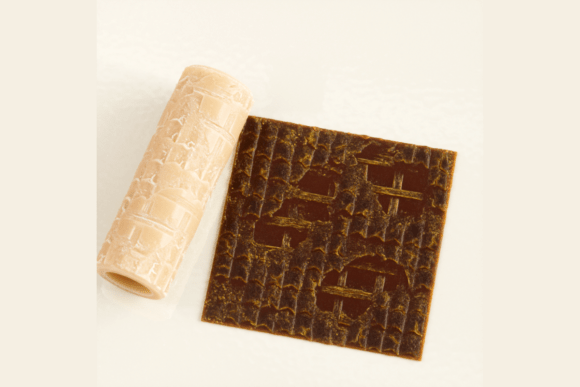
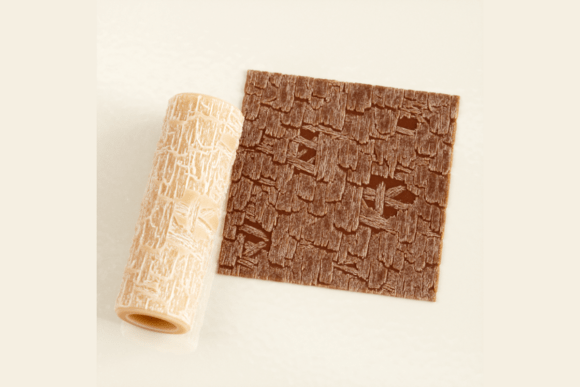
At its core, the Damaged Roof Tiles with Exposed Rafters STL file is a tool. When you print it and attach it to a roller, you transform soft modeling clay or putty into a surface that tells a story of neglect, conflict, or disaster. The design is cleverly specific. It imprints a pattern of classic, overlapping roof tiles, but with large, irregular sections completely missing. Beneath these gaps, the pattern reveals the exposed rafters or wooden laths—the structural skeleton of the roof. This isn't just random scratching; it's a deliberate architectural detail that conveys major damage. You roll it onto your material, and suddenly, your simple block of clay has the gritty, realistic texture of a roof that has endured a shell blast, decades of abandonment, or intentional demolition.
Real-World Applications Beyond the Battlefield
The immediate use case is in hobby terrain, and it's a game-changer. For 28mm and 32mm scale wargamers, terrain isn't just decoration; it's part of the narrative. A building with a perfectly intact roof suggests a functioning town. A building with a roof shattered by the Damaged Roof Tiles with Exposed Rafters STL texture suggests a frontline, a ruined village, or a sector recently cleared by artillery. It adds a layer of tactical and visual depth, making the tabletop feel like a real place with a history.
But its utility stretches further. Model railway enthusiasts creating urban or industrial layouts often need to depict decayed sidings, abandoned factories, or derelict tenement buildings. Applying this texture to rooftop sections on multiple structures creates a cohesive theme of industrial decline across a district. For diorama artists, especially those focusing on historical scenes, post-apocalyptic settings, or realistic urban environments, this roller provides an instant shortcut to high-level detail. Instead of painstakingly carving each individual broken tile and rafter, you achieve a consistent, professional-looking result with a few rolls, freeing up time to focus on other unique aspects of your scene.
From Hobbyists to Creative Professionals
The user base for this tool is surprisingly broad. A freelance miniature painter or terrain commission artist can use it to rapidly produce high-detail, repeatable textures for client projects, elevating their standard offerings. Educators running model-making workshops for history or design students can use it to practically demonstrate architectural decay and its visual impact in storytelling. Even indie filmmakers or photographers creating small-scale sets for stop-motion or macro photography can find value in quickly generating realistic, damaged surfaces. The common thread is the need for controlled, replicable, and convincing decay without resorting to generic or unrealistic methods.
What to Consider Before Using This Texture
Like any specialized tool, success with the Damaged Roof Tiles with Exposed Rafters STL texture roller depends on a few practical considerations. First, you need access to a 3D printer to create the roller itself from the STL file. The quality of your final texture will depend on your print resolution and the material you use for the roller—a smooth, durable print is ideal. Secondly, think about the medium you'll roll it onto. Polymer clays, epoxy putties, or even thick acrylic pastes work well, but they need to be soft enough to imprint yet firm enough to hold the detail once set. Testing on a small piece first is always wise.
Also, consider the scale of your project. This texture is designed for 28mm/32mm scale (roughly 1:56 to 1:48), which is perfect for common wargaming figures. If you're working on a much larger or smaller scale, the exposed rafter detail might look out of proportion. Finally, think about the story you're telling. This texture represents major damage. It's perfect for a building hit by a significant event. For more subtle wear—like a few cracked tiles—you might combine this with other, lighter weathering techniques. It's a powerful effect, so use it where it makes narrative sense.
Connecting Features to Tangible Outcomes
The features of the Damaged Roof Tiles with Exposed Rafters STL aren't just a list; they directly translate to outcomes on your workbench. The "regular, overlapping roof tile pattern" provides a believable base, ensuring the damage looks like it happened to a real roof, not a random surface. The "large sections of completely missing tiles" create dramatic visual breaks, allowing light and shadow to play across the exposed interior, adding depth to your model. The "revealed structural support beams" are the key feature. They move the effect from simple surface damage to believable structural collapse. This tells the viewer that the building is not just dirty; it's compromised, unsafe, and narratively rich.
When you use this roller, you're not just adding texture; you're adding history and context. A warehouse in your model railway yard with this damaged roof immediately suggests a failed business or a hazardous area. A cottage on your wargaming table with this damage becomes a shelled-out strongpoint or a survivor's makeshift shelter. The outcome is a finished piece that feels researched, considered, and real, which is exactly what separates amateur scenery from professional-grade terrain. It solves a specific problem for creators who want to depict destruction convincingly, without each project becoming an exhaustive sculpting challenge.
Ultimately, tools like the Damaged Roof Tiles with Exposed Rafters STL texture roller democratize high-end detail. They allow hobbyists, educators, and small-scale professionals to achieve results that once required expert sculpting skills or expensive pre-made terrain. By focusing on a very specific but commonly needed aesthetic—structural roof damage—it provides a reliable, repeatable solution. You download the file, print the roller, and from that point on, adding authentic decay to your structures becomes a matter of minutes, not hours. That shift frees you up to focus on the bigger picture of your creative project, whether it's a winning battle strategy, a compelling diorama story, or a perfectly weathered model railway layout.