Echoes of Rapa: Bridging Ancient Culture and Modern Creation
The silent, colossal stone faces gazing across the Pacific from Rapa Nui, known as Easter Island, have captivated humanity for centuries. They are monuments of a unique Polynesian culture, embodying mystery, spiritual power, and an enduring legacy. Today, this ancient artistry finds a new expression through digital craftsmanship. The Echoes of Rapa 3D model represents a fascinating synthesis, translating the profound essence of these monolithic sculptures into a form accessible to modern creators, collectors, and enthusiasts worldwide.
The Cultural Foundation: Understanding the Moai
To appreciate the Echoes of Rapa digital sculpture, one must first consider its inspiration. The moai of Rapa Nui are not merely statues; they are deeply significant ancestral figures. Carved from compressed volcanic ash, they were believed to embody the spirits of important chiefs or ancestors, serving as guardians and repositories of mana, or spiritual power. Their creation was a monumental communal effort, and their placement on ceremonial platforms called ahu connected them to the land, sea, and community.
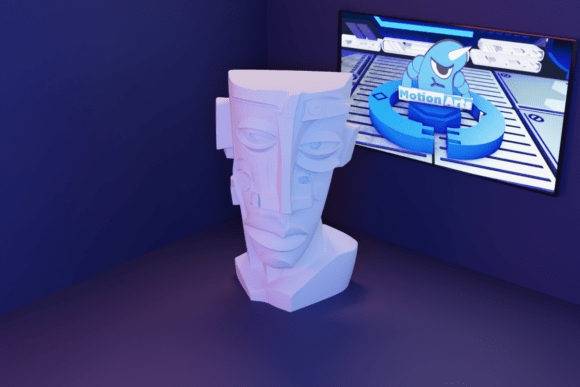
This context of spirituality, strength, and respect for tradition is woven into the design philosophy of the Echoes of Rapa model. It seeks not to replicate a specific moai, but to capture their imposing presence, solemn expression, and the weathered texture of history. This artistic interpretation allows the model to serve as a conduit for cultural appreciation rather than a mere replica.
From Stone to Digital: The Artistic Translation Process
The journey from ancient stone carving to a contemporary STL file involves a deliberate artistic process. Designers study the formal characteristics of the moai—the broad nose, strong brow, elongated ears, and set jaw—and interpret them into a cohesive digital form. Key considerations include maintaining a sense of weight and solidity, while also ensuring the model is viable for 3D printing. This means balancing aesthetic details like surface texture with structural necessities such as wall thickness and support optimization.
The resulting Echoes of Rapa STL file is thus a product of both historical research and technical expertise. It is an optimized digital asset, ready for fabrication, yet carries the symbolic weight of its cultural predecessor.
Primary User Groups and Practical Applications
The versatility of this 3D model stems from its intersection of art, history, and technology. Its applications are diverse, appealing to several distinct but often overlapping audiences.
Collectors and Cultural Enthusiasts
For individuals passionate about historical art or oceanic cultures, owning a physical representation of a moai holds significant value. The Echoes of Rapa provides a way to possess a meaningful artifact without the impracticality of acquiring an original. Printed and finished, it becomes a sophisticated decorative piece for a home or office, sparking curiosity and conversation. It serves as a tactile connection to a remote and fascinating heritage site.
Educators and Researchers
In academic settings, this model is a potent visual aid. An educator discussing Polynesian migration, island ecosystems, or monumental architecture can use a printed Echoes of Rapa as a hands-on object. It allows students to examine the form closely, fostering a deeper understanding than images alone can provide. Researchers might also use it to illustrate concepts in cultural preservation or digital heritage projects.
Creative Hobbyists and Professional Makers
The 3D printing community thrives on challenging and interesting projects. Printing the Echoes of Rapa presents an opportunity to work with a model that has complex, organic curves and textures, testing skills in slicing, support placement, and post-processing. The finished print can be painted, patinated to look like weathered stone, or incorporated into larger dioramas or artistic installations. For professional makers, it could be the basis for commissioned pieces for clients interested in thematic decor.
Business Owners for Themed Environments
Restaurants, boutique hotels, or cultural centers aiming to create a specific ambiance can utilize such models. A travel agency specializing in Pacific tours might display it; a gallery focusing on ethnographic art could use it as a complement to exhibitions. The Echoes of Rapa, as a consistent and recognizable form, adds an element of narrative and depth to commercial spaces.
Technical Considerations for Successful Printing
While the STL file is optimized, successful realization depends on the printer's understanding and skill. Key factors include choice of material. PLA is common and easy, but materials like PETG or even specialty sandstone-like filaments can enhance the final aesthetic. Layer height selection influences the visibility of the model's textured surface—a finer height preserves more detail.
Given the model's likely solid and broad base, adhesion to the build plate is generally straightforward. However, attention should be paid to the orientation during slicing. Positioning the face vertically might minimize supports on the delicate facial features, whereas a tilted orientation could affect surface quality on the cheeks or brow. Post-processing steps like careful support removal, sanding, and sealing are crucial to achieving a finish that honors the model's artistic intent.
The Symbolic Value and Ethical Considerations
Beyond its practical uses, the Echoes of Rapa model engages with broader themes of cultural representation and digital access. It symbolizes a bridge between a past civilization's tangible expressions and our contemporary digital methods of preservation and dissemination. For many, it represents mystery and ancestral legacy in a personal, accessible way.
It is, however, important to approach such models with respect. They are inspired by a living culture with descendants who maintain connections to the moai. Using the model as an educational or appreciative tool aligns with positive engagement. Commercial applications should be mindful to avoid trivializing the deep cultural significance of the original monuments. The model is a starting point for learning and appreciation, not a replacement for the profound original artifacts or the culture they represent.
Integration into Creative Projects and Gifting
A unique application lies in creative gifting. For a history buff, an art lover, or a traveler, a printed and finished Echoes of Rapa is a distinctive and thoughtful present. It can also be integrated into larger personal projects. A hobbyist might create a miniature landscape featuring the model, or a designer might incorporate its silhouette into a custom lamp base or bookend. Its strong, simple form makes it adaptable to various creative contexts.
Future Trends: Digital Heritage and Personal Manufacturing
The Echoes of Rapa exists within a growing trend of digitizing cultural artifacts for preservation and personal access. As 3D scanning and modeling technologies advance, more historical objects will become available as digital files. This promotes a decentralized form of cultural engagement, where individuals anywhere can learn about and interact with heritage through creation.
Furthermore, the model exemplifies how personal manufacturing technologies like 3D printing are moving beyond prototyping and functional parts into the realm of personal art and culture. It empowers users to become producers of culturally significant objects, blurring the lines between consumer, creator, and curator.
The Echoes of Rapa 3D STL file, therefore, is more than a digital product. It is an invitation to participate in a continuing story. It allows one to hold a piece of inspired history, to engage with ancient artistry through modern tools, and to reflect on the enduring human impulses to create, commemorate, and connect across time and distance. By downloading, printing, and displaying this model, you are not just adding an object to your collection; you are echoing the profound and timeless spirit of Rapa Nui.