Minimalist Medieval Scenery: A Modern Take on Fantasy
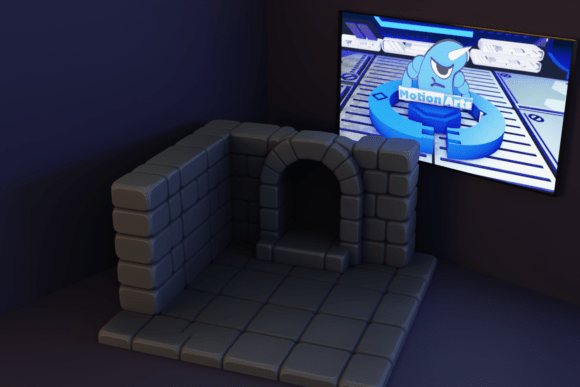
In the realm of 3D printing and digital art, the allure of the medieval era persists. Castles, knights, and quaint villages are perennial favorites, but often depicted with intricate, overwhelming detail. The concept of Minimalist Medieval Scenery offers a compelling alternative. It is not merely a simplified model; it is a deliberate design philosophy that strips away complexity to focus on essential forms and atmospheric storytelling. This approach creates a small medieval world that feels both timeless and contemporary, a piece of sophisticated charm perfect for physical display or digital inspiration.
The Power of Simplicity in Historical Design
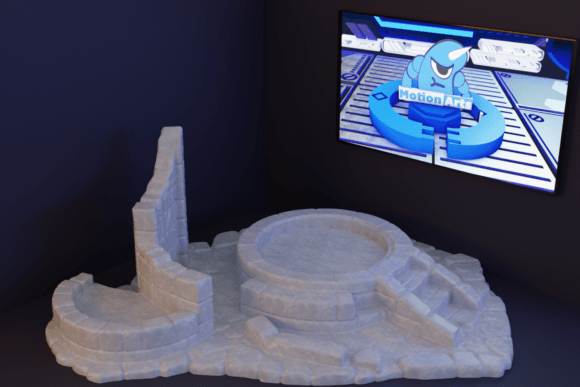
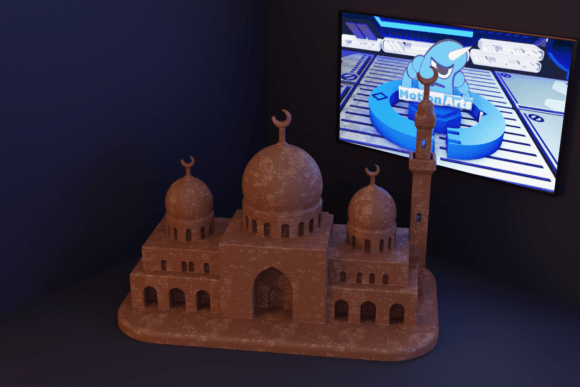
What makes Minimalist Medieval Scenery so interesting is its dual nature. It evokes a historical atmosphere while adhering to modern aesthetic principles. The reduction of a castle to clean geometric shapes, or a landscape to smooth, sweeping contours, does not diminish its magic. Instead, it amplifies it. The viewer's imagination fills the intentional gaps, making the scene more personally resonant. For creators, this minimalist style is incredibly useful. It translates complex architectural ideas into manageable, printable forms—the STL file for this model is designed for intermediate users, requiring support but offering a rewarding build—while also serving as a versatile asset for broader creative projects.
This methodology aligns with a desire for clarity and focus in creative work. Whether you are a hobbyist building a diorama, a designer seeking a stylistic asset, or an entrepreneur looking for unique decor, the minimalist approach ensures the final result is light, stylish, and uncluttered. It avoids the visual noise that can make traditional medieval models feel daunting or niche, opening the aesthetic to a wider audience who appreciate fantasy but prefer a cleaner, more sophisticated presentation.
Creative Applications Beyond the Print
While the primary offering is a 3D model for printing, the concept of minimalist medieval scenery is a springboard for numerous applications. Its clean lines and defined forms make it adaptable across different mediums and goals.
For Physical Display and Collection
The printed scene becomes a tangible piece of art. Think beyond the shelf. It can be the centerpiece of a modern office desk, conveying a love for fantasy with a professional, curated feel. It could be integrated into a custom tabletop game board, providing a distinctive landscape without overwhelming the gameplay. For educators, a printed minimalist castle can be a powerful tactile tool for discussing history or architecture, its simplicity making the core structural concepts easier to grasp for students.
For Digital and Graphic Use
The 3D model itself, or renders derived from it, holds immense value for digital creators. Bloggers and publishers can use renders of the minimalist medieval scenery as evocative header images or illustrations for articles on history, creativity, or gaming. Marketers in the fantasy or hobby sector might adapt the style for branded social media content, creating a consistent, recognizable visual theme that is both charming and modern. Freelancers could use such elements in client presentations to suggest thematic directions without committing to overly detailed artwork.
Adapting the Scene for Different Audiences and Contexts
The inherent versatility of minimalist design allows you to tailor the scenery to specific contexts. Its personality is strong yet malleable.
- For a Hobbyist Community: Emphasize the crafting and collection aspect. The printed model can be painted in muted, modern tones or bold, contrasting colors to reflect different artistic interpretations. Sharing these variations within a community fosters inspiration.
- For a Design-Oriented Audience: Focus on the aesthetic principles. Discuss how the scenery exemplifies the use of negative space and geometric form to evoke emotion. It can serve as inspiration for logo design, app iconography, or interior decor themes that wish to incorporate a medieval fantasy essence subtly.
- For Commercial Use: A small business owner, perhaps running a cafe or boutique with a fantasy theme, could use scaled prints as unique, stylish decor. The minimalist nature ensures it complements the space without creating a kitschy or overcrowded atmosphere. It becomes a sophisticated signature piece.
The key to adaptation is maintaining the core simplicity of the forms. Even if you change the color scheme, scale, or surrounding context, keeping the shapes clean and the composition uncluttered preserves the scene's magical clarity and ensures it remains effective and audience-friendly.
Project Ideas and Creative Variations
To move from inspiration to practice, consider these project ideas that extend from the base model.
- A Modular Diorama System: Print multiple copies of the core scenery elements. Arrange them in different configurations to create larger, customizable landscapes. This approach encourages organizational thinking and allows for a dynamic collection that can grow.
- Integrated Lighting Projects: Given the model's intermediate level and need for supports, its structure offers opportunities. After printing, carefully integrate small LED lights within the castle towers or landscape base to create a dramatic night scene. This combines technical skill with artistic effect.
- Mixed-Media Art: Use the printed scenery as an anchor in a larger artwork. Embed it into a minimalist painted canvas or combine it with abstract textured backgrounds. This bridges the physical and digital worlds, appealing to creators who work across multiple formats.
- Branding Asset Development: Take a high-quality render of the scene and extract specific elements—like the silhouette of the castle—to create a suite of consistent graphic assets for a personal brand or project related to creativity, history, or fantasy.
These ideas are grounded and realistic. They start with the provided STL file and encourage useful creativity that has a clear outcome, whether it's a physical object, a digital asset, or a new skill practiced.
Balancing Inspiration with Practical Guidance
Working with a minimalist medieval scenery model requires a balance. The inspiration comes from its aesthetic and the stories it suggests. The practical guidance lies in the execution. For a successful print, attention to the required supports and intermediate-level details is crucial. For a successful creative application, consistency is vital. If you are using the style for a series of blog posts, keep the color palette and compositional mood similar across uses. If you are painting the printed model, plan your color scheme to enhance, not obscure, the clean forms that give the scene its character.
Ultimately, this model is perfect for those who love fantasy and medieval architecture but seek a presentation that is light and sophisticated. It proves that historical atmosphere does not require excessive ornamentation. By focusing on essential shapes and a clear vision, you can create work that is both charming and powerfully modern, a piece that stands out in any collection or project through the quiet strength of its design.