The Art of Minimalism: Understanding the Minimalist Nativity Scene
The Nativity scene, a centuries-old tradition depicting the birth of Christ, is a cornerstone of Christmas decor. In recent years, a distinct interpretation has emerged: the minimalist Nativity scene. This approach strips away ornate detail and complex staging to focus on the essence of the story through simplified forms and clean lines. Unlike traditional sets with painted figurines and elaborate backgrounds, a minimalist Nativity scene uses abstract shapes, often geometric or softly organic, to represent the holy family, animals, and stable. The result is an elegant and serene representation that prioritizes symbolism over literal depiction.
The Defining Characteristics of Minimalist Design
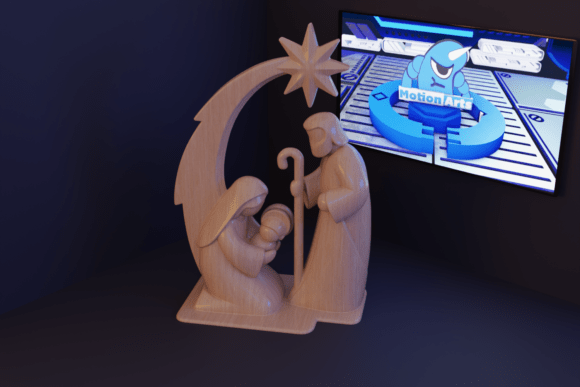
What makes a Nativity scene minimalist is not merely a reduction in pieces, but a philosophical shift in design. Key characteristics include a focus on purity and symbolism. Each figure is distilled to its most recognizable silhouette—a gentle arch for Mary, a stable triangular form for Joseph, a simple cradle shape for the infant Jesus. This lack of excessive detail invites contemplation, allowing the viewer to engage with the spiritual meaning rather than the artistic realism. The forms are often smooth and unified, giving the scene a modern and contemplative feel that can integrate seamlessly into contemporary home aesthetics.
Materials and finishes also play a role. While traditional sets might use porcelain or hand-painted wood, minimalist versions often leverage monochromatic materials like white ceramic, clear glass, unfinished wood, or even 3D-printed plastic. The color palette is typically restrained, favoring a single tone or natural material color to enhance the sense of calm and unity. This creates a piece that is both a holiday decoration and a standalone art object, capable of illuminating Christmas decorations with a sense of delicacy and spirituality throughout the season.
Comparing Styles: Minimalist Versus Traditional Nativity Sets
When evaluating options for a Christmas display, understanding the core differences between styles is crucial. A traditional Nativity scene is rich in narrative detail. It aims to recreate a specific historical moment with authentic costumes, expressive faces, and often a full cast of shepherds, angels, and wise men. Its strength lies in its familiarity and educational value, making it a vivid storytelling tool, especially for families with young children.
The minimalist Nativity scene, by contrast, trades that narrative density for emotional and aesthetic impact. Its strength is in its versatility and modern resonance. It can serve as a focal point in a sleek, modern living room without clashing with other decor. It emphasizes mood—serenity, hope, purity—over historical recreation. A key tradeoff, however, is the potential loss of immediate recognizability for some viewers. The simplified symbols require a degree of cultural or contextual knowledge to be fully appreciated, which might make a traditional set a better fit for public displays or educational settings.
Considerations for 3D-Printed Models
The advent of 3D printing has opened a new avenue for obtaining a minimalist Nativity scene. As noted in descriptions of available models, a file like an STL for a minimalist Nativity scene allows for personal creation. These 3D models for printing are designed with soft, simplified forms that translate well into printed plastic or resin. A key point for beginners is that such models often require support structures during printing to successfully create the clean, overhanging lines typical of minimalist design.
Comparing a 3D-printed minimalist set to a pre-made purchased one involves practical factors. Printing your own offers customization in size, material color, and the potential to modify the design. It can be a rewarding project for those interested in making. However, it requires access to a printer, time, and some technical learning. A pre-made ceramic or wood set offers instant gratification and often a higher-grade finish. The decision here hinges on valuing the process of creation versus the certainty of a finished product's quality.
Identifying the Best Fit for Your Needs
Determining whether a minimalist Nativity scene is the right choice involves assessing your personal context and goals. This style is particularly well-suited for individuals or households that appreciate clean art full of meaning. If your Christmas decor theme leans towards modern, Scandinavian, or understated elegance, a minimalist set will integrate harmoniously. It is also an excellent option for those seeking a more personal, contemplative Advent symbol, perhaps for a private meditation space or office desk.
Conversely, there are situations where an alternative approach may be preferable. If the primary purpose is engaging children with a vivid, recognizable story, a traditional set with detailed figures might be more effective. Similarly, for large, outdoor community displays or church installations where clarity and visibility from a distance are important, the symbolic nature of minimalist forms could be less impactful. The timeless piece quality of a minimalist Nativity scene is subjective; its timelessness is aesthetic, whereas a traditional set's timelessness is often cultural and historical.
Exploring Material and Format Alternatives
Beyond the stylistic choice between minimalist and traditional, there are other categories and formats to consider. For instance, a two-dimensional representation, such as a minimalist line art print or embroidery depicting the Nativity, offers an even more abstract alternative. This format trades the three-dimensional presence for wall art, which might be preferable in spaces with limited shelf space.
Another category is the living Nativity, using natural elements like stones, bare branches, and simple cloth to create a scene. This shares the minimalist ethos of reduction but uses organic, ephemeral materials. It compares to a permanent 3D-printed or ceramic minimalist set by offering a unique, temporary crafting experience but lacks the durability and repeatability of a solid model. Your decision may factor in whether you desire a permanent heirloom object or a seasonal creative ritual.
Strengths and Limitations in Practice
The practical strengths of a minimalist Nativity scene are often in its maintenance and versatility. Its simple surfaces are easy to clean and store. Its neutral palette allows it to be paired with a wide range of other holiday colors and textures. However, potential limitations exist. Some designs, especially those extremely abstracted, may feel too cold or impersonal for viewers accustomed to the warmth of traditional folk art. The level of beginner-friendly 3D models, while designed for accessibility, still requires a basic understanding of printing software and machine operation, which is a barrier for some.
Ultimately, selecting a Nativity scene is a balance of aesthetic preference, functional use, and personal meaning. The minimalist Nativity scene excels as a modern, contemplative piece that elevates decor through symbolism and clean design. It is a compelling choice for those seeking to blend spiritual tradition with contemporary taste. By thoughtfully comparing its serene representation against the detailed narrative of traditional sets, and evaluating formats from 3D prints to purchased art, you can make an informed decision that best illuminates your holiday with the right blend of delicacy and meaning.