The Turkish Tea Cup: From Daily Ritual to Creative Project
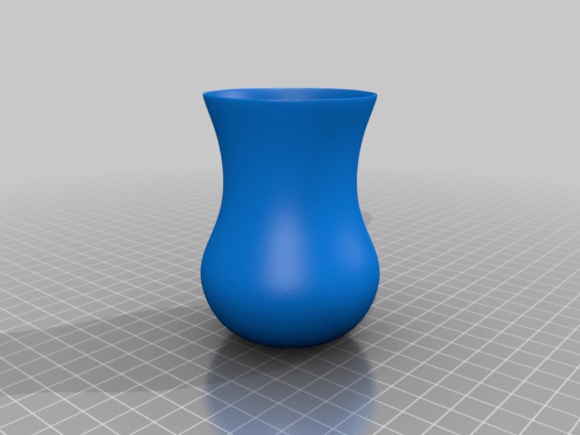
For millions of people, a day without a steaming glass of Turkish tea feels incomplete. The iconic vessel for this ritual isn't just any cup; it's a distinct, curved glass, affectionately nicknamed the "tiny belly" glass for its shape that nestles perfectly in the palm. It’s a symbol of hospitality, conversation, and pause. Now, with the availability of a 3D printable model of this classic design, this slice of cultural tradition opens up to a world of new applications far beyond the tea garden.
Beyond the Tea Table: Unexpected Uses for a Classic Design
At its core, the Turkish tea cup model is a digital blueprint of an everyday object steeped in social significance. But its transition from a physical glass to a downloadable, customizable 3D file transforms it into a versatile tool for creators. It’s not merely a replica; it becomes a starting point for projects that blend form, function, and personal expression.
Imagine a small business owner running an online store for artisanal home goods. They might print a series of these cups, not for hot tea, but as unique votive candle holders or delicate planters for small succulents. The distinctive shape immediately stands out, offering a product story rooted in a recognizable tradition. A blogger focusing on DIY home decor could use the printed cup as a central piece in a tutorial on creating a Mediterranean-inspired centerpiece, connecting a hands-on project with a touch of cultural storytelling.
A Work-in-Progress Design Invites Your Touch
The model is thoughtfully marked as a work-in-progress. This isn't a limitation; it's an invitation. Unlike a finalized, rigid design, this approach acknowledges the subtle variations found in traditional Turkish tea cups and empowers the user to become a co-designer. Whether you’re an educator teaching a class on 3D modeling or a hobbyist exploring Blender, this file provides a real-world object to modify. You could adjust the thickness of the glass wall for different material durability, alter the curve of the "belly" for a different grip feel, or add a subtle texture pattern to the surface.
For an entrepreneur prototyping custom merchandise, this malleability is key. They could easily emboss a company logo or a personal motto onto the side of the cup before printing, creating branded giveaways or saleable items that carry a story. A freelancer in graphic design might use the 3D model as a base object to render into a digital scene for a client's advertising campaign, needing a relatable, warm object to evoke feelings of comfort and connection.
Considering the Path from File to Object
Before diving into downloading and printing, it’s wise to think about your end goal. Are you printing a single decorative object, or a set for functional use? The choice of printing material matters greatly. Printing with a standard PLA plastic might create a beautiful display piece, but it wouldn't withstand hot liquids. For actual tea drinking, you’d need to consider materials like ceramic-resin or explore post-print sealing methods, which involves a different set of skills and tools.
Also, reflect on your own comfort with the tools mentioned: Blender and MeshMixer. The model is designed in these programs, and while ready-to-print files are often provided, having even a basic understanding of these platforms unlocks that "work-in-progress" potential. If customization is your aim, some time invested in learning simple 3D editing could turn this generic model into your signature piece.
Connecting Culture with Creation in Everyday Life
The beauty of this model lies in its bridge between a specific cultural artifact and universal creative utility. A teacher might use it in a social studies unit, having students print and examine the object as part of a lesson on Turkish daily life, then challenge them to design their own version of a culturally significant item from another part of the world. A marketer for a global food brand could use printed versions as photogenic props in social media content aimed at evoking authenticity and warmth.
On a personal level, someone with Turkish heritage living abroad might print a set as a tangible, daily reminder of home, using them not for tea but as holders for pens on a desk or as delicate containers for spices in the kitchen. The object carries emotional weight, and printing it yourself adds a layer of personal investment. Even for a casual hobbyist, successfully printing such a recognizable and elegantly shaped object provides a satisfying project that results in something useful and aesthetically pleasing, far more rewarding than a generic test cube.
The Turkish tea cup model demonstrates how a simple, functional design, when opened up to digital recreation, can serve new purposes. It moves from being solely a vessel for a beverage to becoming a vessel for ideas—for education, for business innovation, for personal memory, and for creative experimentation. It reminds us that the objects we use every day hold potential beyond their original intent, waiting for a new context and a curious mind to redefine them.