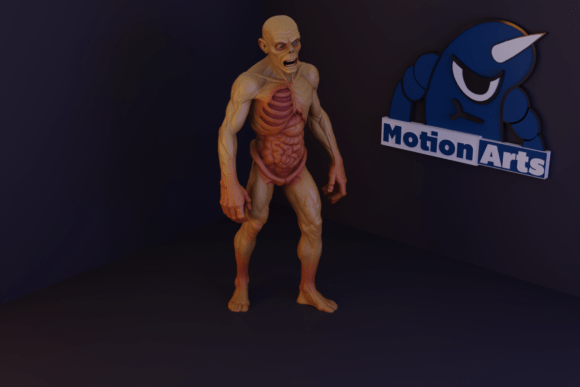
Zombie with Exposed Organs: A Stylized 3D Printing Model for Horror Fans
The zombie is a cornerstone of horror, a creature etched into our collective nightmares. But when you bring this icon into the world of 3D printing, a new set of challenges and artistic possibilities emerges. This particular Zombie with Exposed Organs model represents a perfect marriage of chilling aesthetics and practical design for creators. It's not just a figure; it’s a thoughtfully engineered project crafted to succeed from your printer bed to your display shelf.
Beyond the Gore: Design Philosophy for 3D Printing
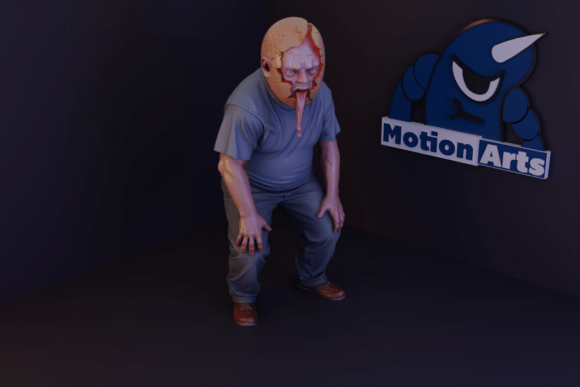
The classic image of a zombie with torn flesh and dangling entrails is compelling, but translating that into a printable object requires a different mindset. This Zombie with Exposed Organs takes a stylized approach. The details—the ribs, the simplified organs, the torn cavities—are well-defined and expressive, capturing that dark essence without resorting to overly complex, fragile geometry.
The key here is simplification for strength. The designer has closed and integrated the internal volumes. Instead of creating deep, hollow voids that could collapse during printing or create extreme overhangs, the organs and exposed areas are modeled as part of the solid body. This design choice is crucial. It ensures greater stability during the printing process, reduces the risk of failure, and results in a more durable final model that won't snap under its own weight.
Why a Beginner-Friendly Horror Model Matters
Marked as a Beginner level project, this model opens the door for newcomers to the 3D printing hobby, specifically those drawn to horror and collectible figures. Often, new enthusiasts are tempted by highly detailed, advanced models that require expert slicing skills and printing knowledge, leading to frustration and wasted filament. This Zombie with Exposed Organs is designed to be a rewarding first step.
Its simplified yet striking details mean that even with basic printer calibration, the core features will print clearly. The integrated, closed structures minimize the need for complex support settings, though the note "Support required" is a straightforward guide—certain areas, like the outstretched arms or jawline, will need this standard assistance. For a beginner, successfully printing an imposing, eye-catching creature like this builds confidence and demonstrates the practical magic of 3D creation.
Practical Applications: From Collection to Creation
What do you do with a printed Zombie with Exposed Organs? Its utility stretches far beyond just being a cool print.
- For Collectors: It serves as a unique piece for horror or monster collections. Its stylized form makes it stand out next to commercial action figures, offering a personalized, hand-made feel.
- For Dioramas and Game Terrain: Tabletop gamers, especially those in genres like horror RPGs or post-apocalyptic skirmish games, can use this model as excellent terrain or a narrative prop. It instantly sets a scene.
- For Themed Decoration: Halloween displays, horror movie marathon setups, or even a permanent fixture in a home office for genre fans—it’s a conversation piece.
- For Creative Projects: It can be a base for further customization. Painters can apply their skills, turning the simplified details into a hyper-realistic finish. It could also be integrated into larger art projects or short films.
The model is described as "ideal for creative projects exploring the zombie universe." This speaks to its role as a catalyst. It’s a starting point, a high-quality asset that allows your own ideas to build upon it.
Key Considerations Before You Print
Even with a beginner-friendly model, a few thoughtful steps will ensure your Zombie with Exposed Organs comes out perfectly.
Printer Calibration: Ensure your bed is level and your extrusion is consistent. A well-tuned printer is the foundation for any successful print, especially one where surface details on the exposed organs are important.
Support Strategy: The file indicates supports are needed. In your slicer, pay attention to auto-generated supports for the likely areas—under the arms, chin, and perhaps the back of the legs. Consider using tree supports if your slicer offers them, as they can be easier to remove and reduce surface marks on the model itself.
Material Choice: Standard PLA is a great choice for this model. It’s easy to print, rigid, and holds detail well. If you plan to paint it, consider a primer-friendly filament or one in a neutral grey tone. For a more durable display piece that might be handled, PETG offers a bit more strength.
Scale and Size: Check the model's dimensions in your slicer. You can scale it up or down, but remember scaling down might make some of the simplified organ details very fine, while scaling up increases print time and material use. The original design likely optimizes detail visibility at its native scale.
Bringing the Apocalypse Atmosphere to Your Desk
The final promise of this model is to "bring the zombie apocalypse atmosphere to your 3D universe." This is more than a tagline; it’s a result. The imposing posture and the stark, exposed anatomy create a narrative presence. Unlike a generic cube or a simple toy, this model carries a mood. It has an expressive look that does the storytelling for you.
For hobbyists, this emotional impact is a significant part of the value. 3D printing isn't just about making objects; it's about manifesting ideas and interests into tangible form. Printing a Zombie with Exposed Organs is a direct way to engage with the horror genre, to participate in it creatively rather than just consuming it.
The Balance of Artistic Vision and Technical Pragmatism
In summary, this model exemplifies a smart design trend in the 3D printing community: art that respects the medium. The Zombie with Exposed Organs doesn’t sacrifice its horrifying vision. Instead, it realizes that vision through shapes and forms that a printer can reliably produce. It offers something different—a stylized, bold take on a classic creature—without complicating the process for the user.
Whether you’re a beginner looking for a satisfying first horror print, a collector wanting a unique piece, or a creator needing a prop for a larger project, this model serves as a robust and striking solution. It reminds us that in 3D printing, the most terrifying creatures can also be the most thoughtfully engineered.