A Guide to the Sitting Santa Claus 3D Model: Considerations and Best-Fit Uses
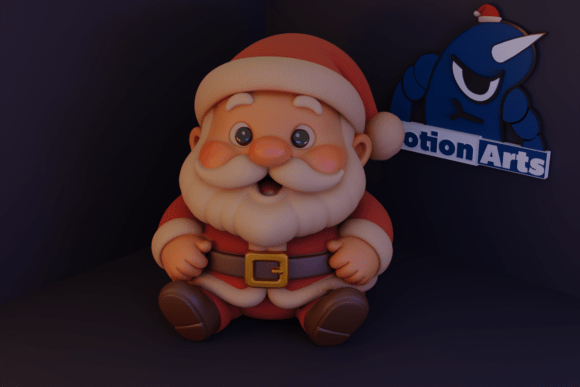
In the world of 3D printable holiday decorations, the Sitting Santa Claus model represents a specific and popular category. It is a digital design, typically an STL file, depicting Santa Claus in a seated, calm pose. This model is distinct from many other Santa figurines due to its intentional design philosophy: a cartoon style with rounded shapes, minimal complex details, and a stable seated posture. This approach prioritizes ease of printing, especially for beginners, while aiming for a visually pleasing and welcoming aesthetic.
Key Characteristics Defining the Sitting Santa Claus Model
The core attributes of this model shape its utility and appeal. The cartoon style and rounded shapes are significant design choices. Compared to highly realistic or intricate sculptural models, this style reduces the number of fine edges, sharp angles, and thin protrusions that can be challenging for FDM (Fused Deposition Modeling) printers. This translates directly to a higher likelihood of a successful print without warping, stringing, or failed supports on simpler printer setups.
The seated pose is another fundamental feature. While standing Santa models or action poses (like Santa waving or carrying a bag) can be dynamic, they often require more careful balancing or extensive supports to prevent tipping during printing or on a tabletop. The seated pose inherently provides a larger, flat contact area with the print bed and, later, the display surface. This results in natural stability, reducing the need for additional anchoring or bases. The pose also contributes to the described "calm" and "welcoming" atmosphere, differing from more energetic or narrative-driven figurines.
The specification that support structures are required is an important technical note. Even with simplified geometry, areas like the space between the arms and the body or under the brim of a hat may need temporary support material during printing. This is a common requirement for many 3D models and is not a particular limitation, but it informs the user that some post-processing (support removal) will be necessary. Models advertised as "support-free" often have geometries redesigned to avoid overhangs entirely, which can sometimes compromise the intended artistic form.
Comparing Use Cases: Where This Model Fits Best
The Sitting Santa Claus model is promoted for several applications: table decorations, general Christmas decorations, alternative nativity scenes, or themed collections. Understanding how it compares to other available options in these contexts helps determine its best-fit situations.
For tabletop decor, the stability of the seated pose is a practical advantage over many standing figurines, especially on surfaces that might be bumped or moved. Its cartoon, friendly style suits a casual, family-friendly, or modern aesthetic. If your decor theme leans towards traditional, porcelain-like realism or intricate vintage figurines, this model's style might not align. However, as part of a mix-and-match or playful holiday table, it can serve as a charming centerpiece.
As an element in an alternative nativity scene or Christmas village, the Sitting Santa offers a different narrative. Traditional scenes focus on the biblical story. An alternative scene might incorporate festive, secular characters. Here, Santa's calm, seated posture could depict him resting or observing, rather than delivering gifts. This contrasts with models of Santa in a sleigh or on a rooftop, which imply motion and action. Your choice depends on the story you wish your display to tell.
For collectors of 3D printed holiday models, this design sits within the "beginner-friendly" and "cartoon" categories. A collection might span various styles: hyper-realistic, minimalist abstract, mechanical, or classic. This model would complement a collection focused on approachable, printable charm rather than technical printing prowess or artistic abstraction.
Tradeoffs in Design and Printability
The design choices of the Sitting Santa Claus model involve natural tradeoffs. The emphasis on printability for beginners through simplified details means the model may lack the intricate textures, facial lines, or elaborate clothing folds found in advanced models. This is not a flaw but a prioritization. For a user whose primary goal is a successful first holiday print or a decoration for children, this tradeoff is beneficial. For an experienced printer seeking a detailed challenge to showcase printer resolution, this model might be less suitable.
The requirement for supports, even on a beginner-level model, is another point of consideration. Some truly beginner-oriented models are designed to be printed without any supports, allowing for a simpler printing and cleanup process. The Sitting Santa model's need for supports indicates it retains some organic, natural shapes (like the curve of a robe) that necessitate this step. The tradeoff is a slightly more complex post-print process for a potentially more visually pleasing organic form compared to a more blocky, support-free design.
Evaluating Alternatives and Decision Factors
When deciding if the Sitting Santa Claus model is the right choice for your project, consider a few key factors alongside potential alternatives.
Printer Skill Level and Equipment: This model is explicitly tagged for beginners. If you are new to 3D printing or have a basic printer, its design minimizes common failure points. Alternatives with more complex geometries might require advanced slicer settings, a printer with better cooling, or more experience with support configuration. Your confidence and equipment should guide this choice.
Desired Aesthetic and Theme: As discussed, the cartoon style is a specific look. If your holiday decor leans towards rustic wood, elegant glass, or photorealistic figures, you might seek a 3D model that mimics those styles, or consider non-printed alternatives altogether. The Sitting Santa is ideal for projects desiring a cute, friendly, and modern plastic figurine aesthetic.
Functional Purpose: Consider how the object will be used. Is it a sturdy decoration for a child's room? The seated pose and likely solid print make it robust. Is it a delicate ornament to hang? This model is not designed for hanging. Is it a gift for a fellow printing enthusiast? Its beginner-friendly nature might be perfect for a newcomer but less impressive as a technical gift for an expert. Defining the purpose helps narrow options.
Time and Post-Processing: Even a simple model requires printing time and support removal. Evaluate your available time. A smaller, support-free model might print faster and clean up instantly. The Sitting Santa, while simple, will need those additional steps. If you enjoy the hands-on aspect of finishing a print, this is fine. If you need a instantly-ready decor piece immediately, a pre-made decoration might be a more appropriate alternative.
When This Model Is the Right Choice
The Sitting Santa Claus 3D model is likely an excellent fit under these conditions:
- You are a beginner 3D printer user seeking a holiday-themed project with a high success probability.
- Your decoration theme embraces a cute, cartoonish, or playful modern style.
- You need a stable, bottom-heavy figurine for tabletop displays that might be in active areas.
- You are building a collection of easy-to-print holiday models and want a classic character in a calm pose.
- You appreciate a design that balances organic, friendly shapes with practical printability considerations.
When You Might Consider Another Option
You may want to explore other models or decoration types if:
- Your artistic goal is hyper-realistic detail or historical accuracy in your Santa depiction.
- You require a figurine with an action pose (like flying, walking, or working) for a dynamic display.
- You prefer decorations that require zero post-processing or support removal.
- You are an advanced printer looking for a technically challenging model to test limits of resolution and material.
- Your holiday style is strictly traditional, vintage, or based on non-plastic materials like wood, cloth, or ceramic.
Ultimately, the Sitting Santa Claus model occupies a valuable niche in the ecosystem of 3D printable holiday decor. It serves users who prioritize a harmonious blend of charming design and printing accessibility. By understanding its distinct characteristics, comparing it to the broader landscape of styles and requirements, and honestly evaluating your own needs, you can make an informed decision on whether this friendly seated Santa is the perfect addition to your festive creations or if your project's goals lead you towards a different artistic or technical path.