Copper Patina Texture Roller for Crafts and Models
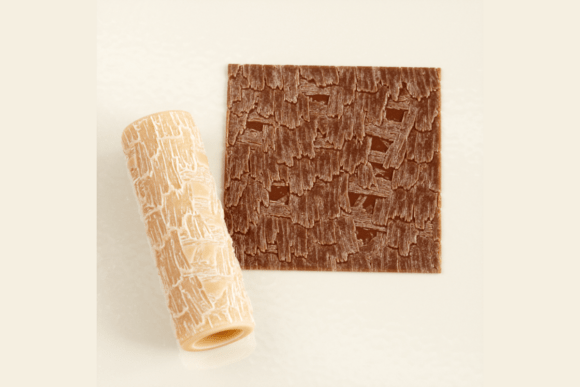
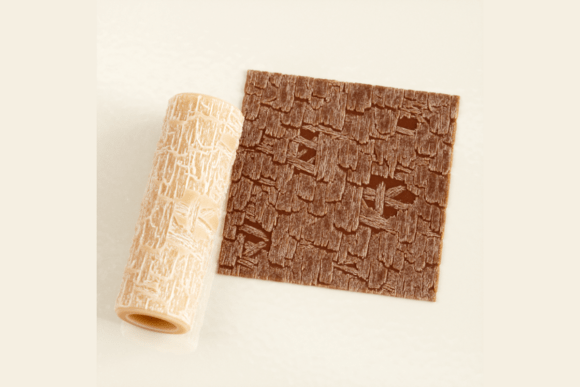
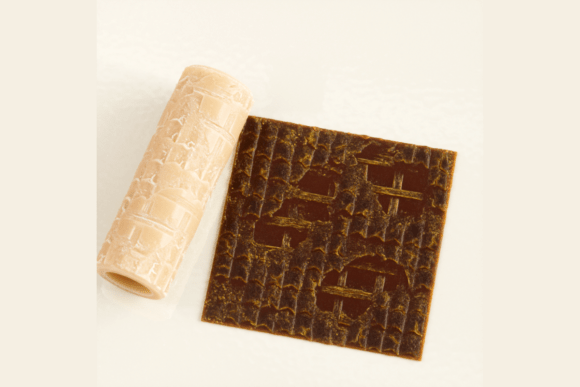
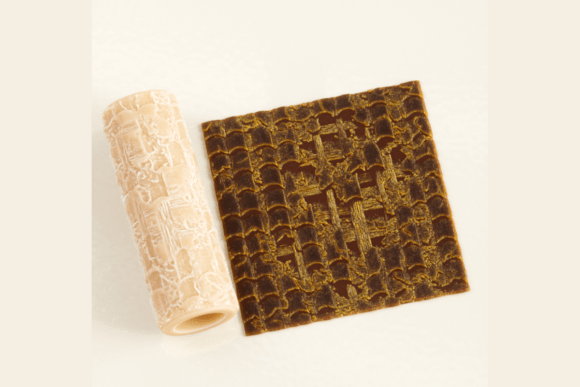
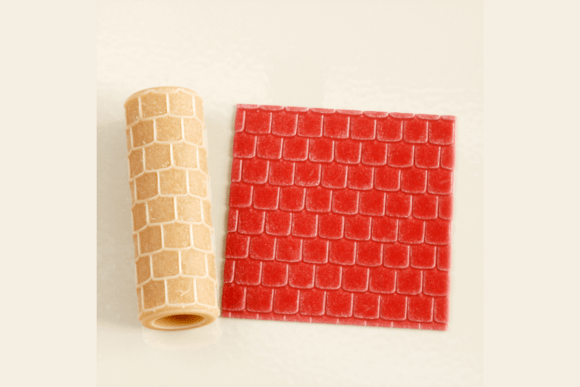
The weathered elegance of aged rooftops is a detail that can elevate any miniature scene, architectural model, or crafted piece. Capturing this specific texture, however, can be a challenge. The Copper Patina Roof Texture Roller STL File provides a direct and versatile solution. This digital design file allows you to 3D print a roller tool that impresses a detailed, high-resolution pattern of classic copper roofing panels with a beautiful, time-worn patina effect onto various materials.
What Makes This Texture Tool Unique
This isn't just a generic texture. It is a purposefully designed pattern inspired by the authentic look of traditional sheet metal roofs that have developed their characteristic green-blue patina over years of exposure. The pattern is seamless, meaning it can be rolled continuously to cover larger areas without awkward breaks or misaligned seams. The STL file is optimized for reliable printing on both FDM (filament) and resin-based 3D printers, with no supports required, making it accessible for most makers.
The true utility lies in its material versatility. While conceived for creating rooftops, the physical roller you print becomes a multi-purpose texture tool for clay, pottery slabs, fondant for cake decoration, and even leather or paper for mixed-media art. It bridges the gap between digital design and tactile, hands-on creation.
Creative Possibilities and Project Applications
The obvious application is for building dioramas, tabletop gaming terrain, and miniature models. Use the Copper Patina Roof Texture Roller STL File to create instantly authentic roofs for fantasy village huts, dystopian city buildings, historical castle towers, or steampunk factory structures. The high-resolution detail means you can shrink the roller for tiny miniature scales or enlarge it for larger architectural models without losing the crispness of the pattern.
Expanding Beyond Miniatures
The creative potential extends far beyond the gaming table. Consider these practical applications:
- Pottery & Ceramics: Roll the pattern onto soft clay slabs before forming them into mugs, plates, or decorative tiles. The impressed texture creates a stunning surface that glazes can highlight, perfect for artisan home goods.
- Cake Decorating & Fondant Art: Add an elegant, metallic texture to fondant covering cakes for weddings, birthdays, or themed events. It introduces a sophisticated, artisan touch to edible creations.
- Mixed Media & Sculpture: Use the roller on air-dry clay, papier-mâché, or even thick acrylic paint layers to add architectural texture to mixed-media canvases, jewelry boxes, or standalone sculptures.
- Home Decor Crafts: Create textured clay coasters, decorative wall hangings, or framed ceramic plaques. The patina pattern brings a timeless, classic aesthetic to handmade home items.
Adapting the Tool for Different Audiences and Goals
The flexibility of this tool allows users from various disciplines to adapt it to their specific needs.
For the Entrepreneur or Small Business Owner: This tool can be part of a product-making toolkit. A small pottery studio can use it to create a signature line of textured ceramic ware. A cake decorator can offer uniquely textured fondant designs as a premium service. The digital file itself represents a low-overhead, scalable asset for creative businesses.
For Educators and Workshop Leaders: The printed roller is an excellent teaching aid in art, pottery, or model-making classes. It demonstrates the fusion of digital fabrication (3D printing) with traditional craft techniques, allowing students to easily achieve complex, professional-looking textures in their projects.
For Bloggers and Content Creators: The roller is a catalyst for project tutorials and inspiration content. From "5 Ways to Texture Your Pottery Without Expensive Tools" to "Building a Historical Diorama from Scratch," the tool provides a tangible centerpiece for engaging, practical content that appeals to maker audiences.
Practical Recommendations for Effective Use
To ensure clean, consistent results, a few grounded tips apply. When printing the roller from the Copper Patina Roof Texture Roller STL File, use the recommended layer height settings (0.1–0.15 mm) for maximum detail fidelity. Before using on your final material, test the roller on a scrap piece of clay or fondant to check pressure and alignment.
For seamless rolling on large areas, start at one edge and apply steady, even pressure as you roll forward, slightly overlapping the previous pass to maintain continuity. When working with clay, ensure it is at a uniform consistency—not too wet or too dry—to prevent the pattern from distorting or sticking. For fondant, a light dusting of cornstarch on the roller can prevent sticking.
Remember, the texture is a starting point. You can enhance the printed patina effect by painting over the impressed pattern. Use acrylics or ceramic glazes in greens, blues, and coppers to mimic the true variegated colors of weathered copper, adding another layer of artistic control to your finished piece.
A Tool for Grounded, Useful Creativity
Ultimately, the value of the Copper Patina Roof Texture Roller STL File lies in its function as a democratizing tool. It gives creators—whether hobbyists, professionals, or educators—access to a specific, high-quality texture that would otherwise require significant sculpting skill or expensive pre-made tools to replicate. It encourages useful creativity by providing a reliable foundation upon which individual artistry can build. You can focus on the form, color, and context of your project, while the tool delivers a consistent, authentic textural detail.
From a miniature wargame battlefield to a handcrafted ceramic vase, the touch of aged, elegant copper it provides can transform the ordinary into something distinctly narrative and visually rich. It’s a reminder that in creative work, compelling details are often the bridge between a good idea and a truly resonant finished object.