Stone Wall 195: A Premium 3D Model for Creative Projects
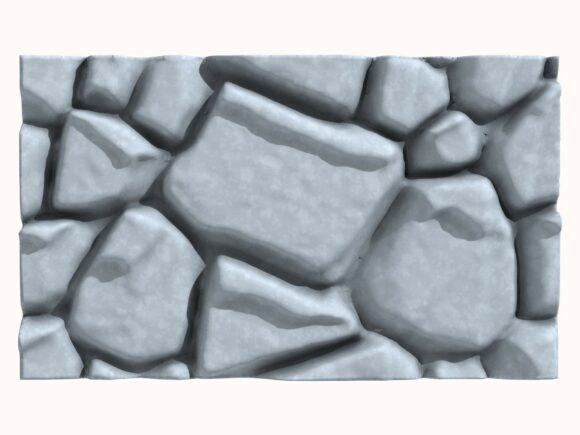
Whether you’re crafting a digital environment or planning a physical prototype, the right asset can define your project's visual identity. Stone Wall 195 is precisely that kind of foundational asset. It’s a meticulously crafted, high-quality 3D model of a classic stone wall, designed to serve a multitude of creative and professional needs. This model transcends being a simple digital object; it’s a versatile tool that can accelerate workflows, enhance visual storytelling, and provide a reliable, aesthetically pleasing element for various applications.
The Craftsmanship Behind the Model
A key characteristic of Stone Wall 195 is its origin: it is a product of genuine manual skill. The model was entirely handcrafted in Cinema 4D, fully designed and built without the use of any AI tools. This represents a commitment to original creative work and traditional modeling techniques. For users, this means the model possesses an organic, nuanced detail often lost in automated processes. Every stone, crevice, and surface texture has been thoughtfully placed, resulting in a wall that feels authentic and structurally convincing.
This manual approach contributes directly to its strengths. The geometry is clean and optimized, making it suitable for both high-resolution rendering and real-time applications. Its notable qualities include realistic proportional scaling and a surface topology that interacts well with light and shadow, crucial for achieving believable renders in architectural visualization or game environments.
A Multi-Format Toolkit for Maximum Flexibility
The practical value of Stone Wall 195 is significantly amplified by its included package. You receive the model in six industry-standard formats: C4D, STL, OBJ, FBX, ABC, and DAE. This multi-format approach removes technical barriers and integration headaches.
- C4D: The native format for Cinema 4D users, preserving materials and hierarchy.
- OBJ & FBX: Universal formats compatible with almost all 3D software, from Blender and Maya to Unity and Unreal Engine.
- STL: The standard for 3D printing, ready for physical prototyping or custom fabrication.
- ABC & DAE: Supporting advanced workflows like Alembic caching and Collada interchange.
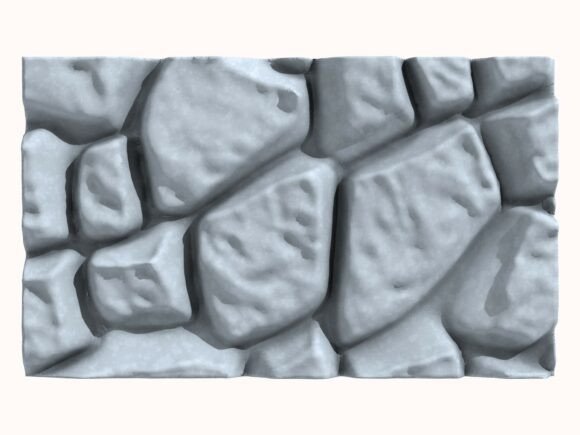
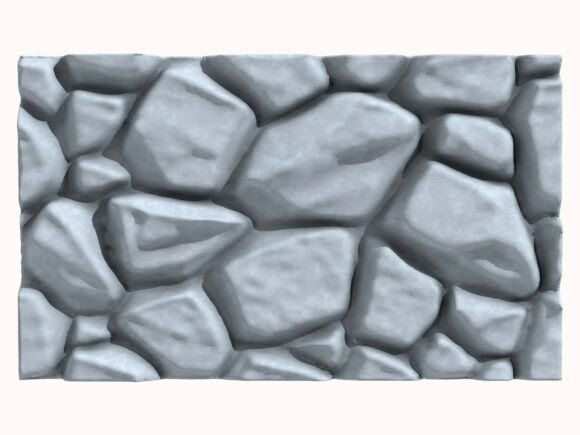
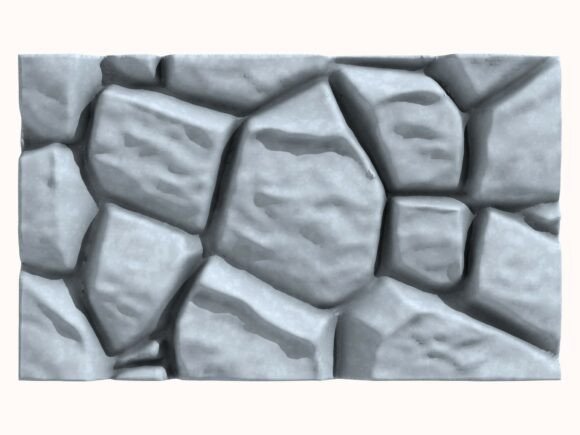
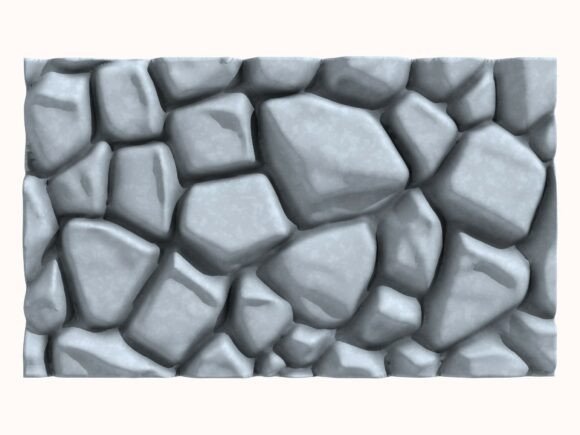
Furthermore, the package includes 6 high-resolution JPEG renders at 2000x2000px and 300 DPI. These renders are not just promotional images; they are practical references. They showcase the model from various angles, providing a clear preview of its appearance under different lighting conditions, which is invaluable for evaluating its fit for your project before even opening a 3D application.
Real-World Applications Across Industries
The utility of Stone Wall 195 spans personal, professional, and commercial environments. Its primary strength lies in its adaptability.
For architectural visualization professionals, the model serves as a high-detail prop for exterior or interior scenes. It can quickly populate a garden wall, a rustic building facade, or a historic site restoration preview, adding immediate realism without the time cost of modeling from scratch. Educators and students in 3D design or architecture can use it as a study object for lighting exercises, texture application, or format conversion tutorials.
In the games and interactive media sector, Stone Wall 195 offers a ready-made environment asset. Its clean geometry makes it suitable for optimization for real-time engines. Indie developers or hobbyists can use it to build dungeon corridors, castle fortifications, or village boundaries, accelerating level design and allowing more focus on gameplay mechanics.
The inclusion of the STL format opens doors for tangible projects. Entrepreneurs or makers can utilize it for 3D printing projects, such as creating detailed terrain for tabletop gaming, architectural models for client presentations, or even unique artistic pieces and décor. The handcrafted detail ensures the printed result has character and depth.
For marketers, bloggers, and publishers, the high-resolution renders themselves are a resource. They can be used as compelling background imagery in articles, social media content, or advertising materials related to construction, history, fantasy themes, or design, enhancing engagement through professional-grade visuals.
Evaluating and Implementing the Model
When selecting a 3D asset like Stone Wall 195, several practical considerations ensure it meets your specific needs. First, assess the compatibility of the provided formats with your primary software. The breadth offered here covers most scenarios, but confirm your tool’s preferred import format.
Second, consider the scale and detail required for your project. Examine the provided renders to judge the texture fidelity and geometric complexity. For close-up shots in film or visualization, high detail is paramount; for a background asset in a game viewed from a distance, you might prioritize polygon efficiency. The handcrafted nature of Stone Wall 195 typically ensures it holds up well in both contexts.
Third, think about material and texture workflow. While the model includes basic materials in its native C4D format, its clean UV mapping and structure in OBJ or FBX formats make it straightforward to apply your own custom textures or substance materials, allowing you to tailor its appearance to match a specific sandstone, granite, or weathered look.
Implementing Stone Wall 195 is straightforward. Import it into your scene as a static object or, given its robust construction, further modify it. You can segment it, duplicate sections to create longer walls, or combine it with other models to build complex structures. Its value lies not only in its immediate use but also as a reliable base for further creative iteration.
The Benefits of a Quality Foundation Asset
Integrating a pre-made model of this caliber offers tangible benefits. Efficiency and productivity are primary gains. The time saved from not modeling a detailed wall from scratch can be redirected to other critical aspects of your project, such as animation, scene composition, or user testing.
It enhances communication and presentation. For architects or clients, a realistic wall in a visualization communicates material choices and aesthetic intent more clearly than a blank block. For a game developer, it sets a visual tone instantly. This contributes to stronger branding and user experience by ensuring your digital environments or printed products maintain a consistent, professional level of quality.
Finally, using a model like Stone Wall 195, which is born from manual artistry, can inspire your own work. Observing the flow of stones and the intentional placement of imperfections provides a learning opportunity, reminding creators of the importance of deliberate detail in achieving authenticity—a quality that resonates with audiences whether the project is digital or physical.
In essence, Stone Wall 195 is more than a collection of polygons and files. It is a versatile, craft-driven solution that bridges digital and physical creation. It empowers professionals, hobbyists, and educators to realize their visions with a solid, aesthetically rich foundation, proving that a well-made asset is often the cornerstone of a successful project.