Stone Wall 198: A Premium Handcrafted 3D Model
In the world of digital creation, the texture of stone—rough, weathered, and timeless—brings a sense of authenticity and history to any scene. Stone Wall 198 is precisely that: a meticulously crafted, high-quality 3D model of a stone wall, designed to serve as a foundational asset across a wide spectrum of projects. It’s not a generic, algorithmically generated mesh, but a unique digital object born from careful manual modeling in Cinema 4D. This distinction matters deeply, depending on what you intend to build.
What Makes This Model Unique
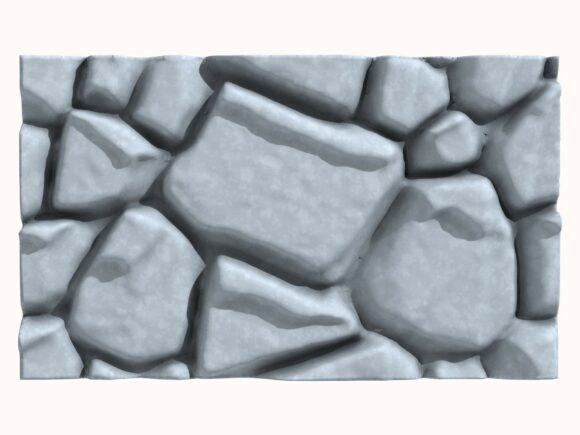
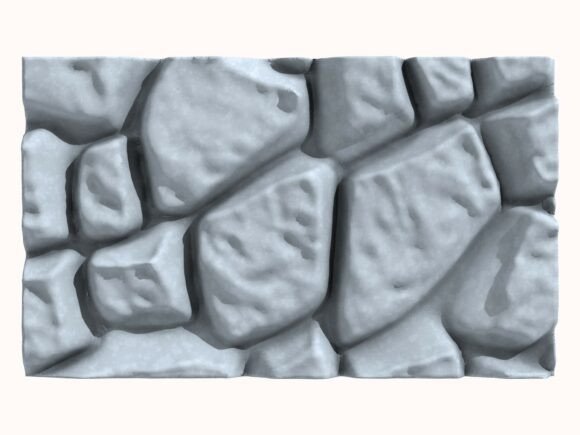
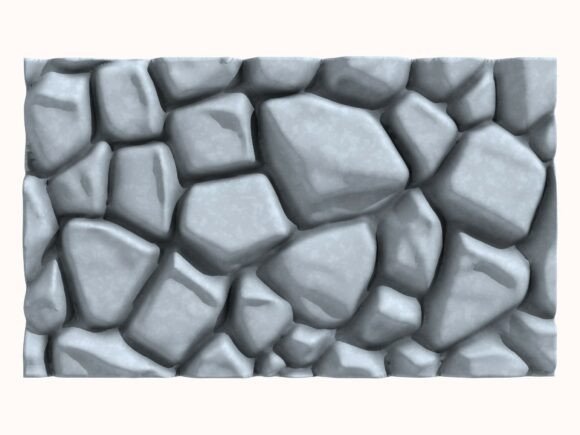
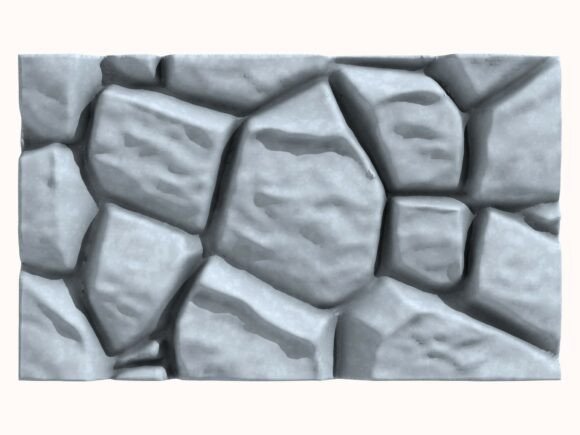
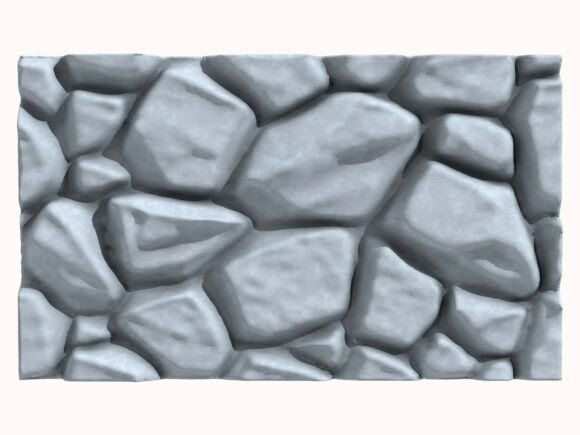
Stone Wall 198 is delivered as a complete package. The core is the model itself, provided in six versatile formats: C4D, STL, OBJ, FBX, ABC, and DAE. This multi-format approach ensures compatibility with most major 3D software, game engines, and 3D printing slicers. Accompanying the model are six high-resolution JPEG renders (2000x2000px, 300 DPI), offering clear visual reference from multiple angles. The entire project was built by hand, without the use of AI tools. This means every stone, every crevice, and the overall topology reflect deliberate artistic choices, resulting in a model with character and organic detail that automated processes often lack.
Why Different Creators Value Different Things
A beginner diving into 3D for a personal game project might prioritize ease of use and immediate results. Having the model in an OBJ or FBX format, which is widely supported by free or entry-level software, allows them to import Stone Wall 198 quickly and start building their environment without worrying about complex modeling. The included renders serve as a perfect guide for placement and lighting. For them, the handcrafted detail is a bonus that elevates their project’s look without requiring skills they don’t yet possess.
An architectural visualizer or a professional in film pre-vis, however, evaluates assets through a different lens. Their priorities are often quality, realism, and flexibility. The ABC (Alembic) format can be crucial for complex scene animations and interactions in high-end pipelines. Knowing the model was manually sculpted suggests better edge flow, cleaner geometry, and intentional detail that holds up under close camera scrutiny and varied lighting conditions—critical for client presentations where realism sells the concept.
Practical Applications Across Fields
Let’s consider a few concrete scenarios. A hobbyist interested in 3D printing might download the STL file to create a detailed terrain piece for a tabletop wargame or a diorama. The model’s manual creation often translates to print-ready geometry with thoughtful thickness and structural integrity. An educator teaching a course on digital asset creation or game design might use Stone Wall 198 as a reference study. They can deconstruct the provided formats to show students how a professional model is structured, discussing the merits of manual modeling versus procedural generation.
For a small business owner, perhaps running an indie game studio or a marketing agency, the calculus involves speed, reliability, and commercial value. Purchasing a ready-made, high-quality asset like this can save weeks of modeling time, allowing the team to focus on unique gameplay mechanics or client-specific campaign elements. The multiple formats mean it integrates reliably into their existing pipeline, reducing technical hiccups. The fact that it’s a unique, non-AI model can also be a point of differentiation in their own product’s marketing, emphasizing original art.
Evaluating If It Matches Your Needs
How do you know if Stone Wall 198 is the right asset for you? Start by aligning it with your project’s core requirements. If your work demands ultimate geometric precision for engineering or ultra-realistic simulation, you might need specific CAD formats not included here. However, if your project falls into the realms of visualization, entertainment, or physical fabrication, this package likely covers your needs.
Consider your software. Do you use Cinema 4D, Blender, Unreal Engine, Unity, or a 3D printer software like Cura? The provided formats directly cater to these. Think about the end use. Is it for a background element in a fast-paced game, where high polygon counts might be a concern? The hand-crafted nature often implies optimized, purposeful geometry. Is it for a still render in an architectural brochure where texture and detail are paramount? The high-res renders confirm its visual fidelity.
Finally, reflect on the value of originality. For a creator selling digital environments or 3D printed artifacts, using distinctly designed assets can contribute to a more unique portfolio. Stone Wall 198, as a manually created model, offers that signature touch compared to more generic, mass-produced assets.
The Long-Term Utility of a Quality Asset
A well-made 3D model is not a one-time use item. Its long-term usefulness is significant. A freelancer might use Stone Wall 198 in multiple client projects over years, tweaking textures or combining it with other assets to create new scenes each time. Its presence in a personal library speeds up future work. The learning value is also enduring; studying its construction can inform your own modeling techniques, making you a better creator down the line.
In essence, Stone Wall 198 serves as a versatile digital toolkit. Whether you are a beginner seeking a quality starting point, a professional needing a reliable, realistic component, or an entrepreneur looking to accelerate creative production, this model’s handcrafted quality and broad format support aim to meet those varied demands. It bridges the gap between artistic intention and practical application, allowing the timeless appeal of stone to be integrated into the digital projects of today.